Retaining Wall Construction: Techniques for Longevity
Retaining walls are more than a grade control mechanism for outdoor space. They are a statement about how a property will weather time, soil pressure, freeze-thaw cycles, and the daily grind of rain, sun, and use. Over the years I have built walls that hold back hillside gardens, tiered patio zones, and road-front embankments that see daily traffic. The through line in all of them is simple: a wall that lasts is a wall that respects soil dynamics, drainage, and the sequence of construction choices made before the first block is set.
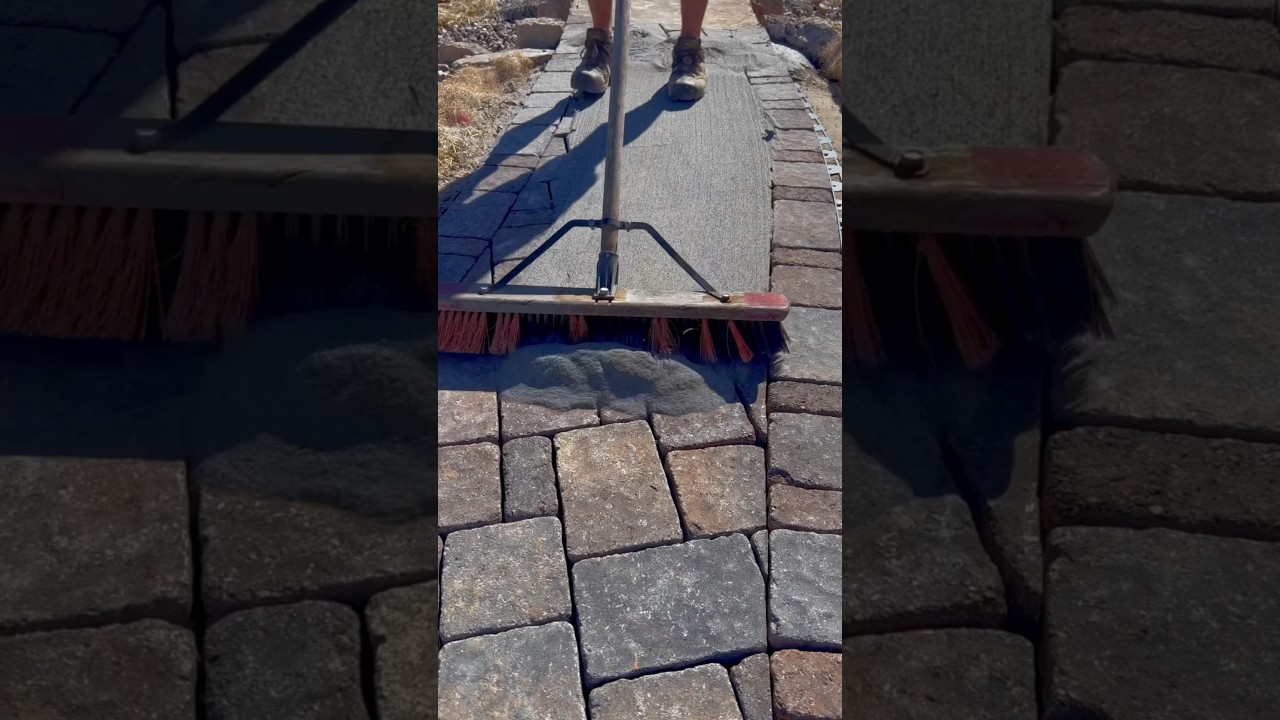
A well built retaining wall starts with clear goals and ends with a calm in the landscape rather than a stubborn reminder of shortcuts. You will hear different terms from suppliers and crews—gravity walls, mechanically stabilized earth walls, cantilevered structures, anchored systems—but the core principles remain the same. The wall must manage lateral earth pressure, fit into the site’s drainage pattern, and be capable of withstanding the local climate without frequent repairs. When you design and install with that mindset, longevity follows.

I want to share not just the techniques, but the decision points that come with real-world projects. You’ll find notes on material choices, drainage strategy, wall geometry, and maintenance habits that separate walls built to endure from those that will require ongoing attention.
The first decision you face is about site and purpose. Are you building a decorative feature to terrace a steep yard, or are you stabilizing an eroding slope that threatens a foundation or a sidewalk? The answers drive everything that follows. On decorative walls, the emphasis is on clean lines, texture, and integration with the hardscape as a whole. On structural walls, the focus shifts to proper footings, continuous drainage, and the ability to resist significant earth pressure without bowing or cracking. In either case, the wall should be a system, not a collection of independent blocks stacked with a tape measure and a prayer.
Planning begins with soil understanding. You want a baseline of soil type, moisture content, and the potential for movement. For instance, clay soils swell when wet and shrink when dry, which can cause a wall to press forward or tilt if not properly accounted for. Sandy soils drain quickly but can be prone to erosion if the wall does not address surface water effectively. Some sites sit on a shallow groundwater table or on a slope that invites water to converge at the base of the wall. The more you understand the soil before you pour or place, the more predictable your results will be. This is not a guess. It is a map of how the ground will behave under different weather patterns.
A key early move is to set a deliberate drainage plan. Drainage is the quiet hero of longevity. If water sits behind a wall, it adds hydrostatic pressure and invites cracking, heaving, and failure. Drainage must be continuous and fail-safe. I insist on a combination of gravel fill behind gravity walls and a continuous perforated pipe in many structural configurations. The pipe is surrounded by filter fabric and wrapped with a coarse landscape fabric where necessary to keep fines from entering the pipe. The idea is simple: water must have a clear route to escape, not a chance to pool behind the wall and push forward.
Material selection is where the wall takes character and durability in equal measure. Materials range from concrete blocks and segmental retaining wall units to natural stone, brick, or timber elements. The choice is rarely about cost alone. It is also about how the material behaves under freeze-thaw cycles, how easily it can be repaired, and how it ages with exposure to sun and rain. Concrete blocks with a hollow core and built-in drainage provisions are popular because they combine predictable dimensions with the possibility of adding geogrid reinforcement in steeper designs. Natural stone offers timeless beauty and sound mass, but it often comes with higher labor costs and variability in size and shape. Timber walls, while visually warm, are typically surface treatments rather than load-bearing structures unless properly supported, and they demand careful maintenance to resist rot and insect damage.
In practical terms, I’ve found that the most durable walls share three foundations: solid footings, proper reinforcement where necessary, and a disciplined backfill that respects drainage and compaction. Footings are the backbone. They need to extend below the frost line for seasonal regions to prevent heaving. In many jurisdictions, this means a frost depth of 12 to 18 inches or more, depending on local history. A concrete footing that runs the full width of the wall and is wide enough to carry loads provides a stable starting point. If you’re building near a property line or on a slope, you should also consider the wall’s return geometry—how the wall begins and ends—and how that affects the transfer of loads to the soil adjacent to the wall.
Reinforcement presents a nuanced conversation. For smaller decorative walls, reinforcement may be minimal or even unnecessary beyond good compaction and proper drainage. For taller, load-bearing walls, you’ll likely use geogrid or tiebacks to help resist lateral soil pressure. The perforated drainage pipe becomes even more critical in these cases, and the backfill material toward the wall should be coarse and well-compacted rather than loose, which can settle over time. In some projects, a reinforced concrete grade beam behind the wall can be added to tie the structure together and distribute loads evenly. The aim is to prevent differential settlement that can lead to mortar cracks, misalignment, or, in the worst case, partial collapse.
Backfill and compaction deserve their own emphasis. The backfill should be free of organics and large debris, with a granular profile that promotes drainage. You want enough void space for water to pass through while still supporting the wall structure. Compaction is not a one-and-done step. It requires a measured approach, using a plate compactor to compress in thin lifts, typically 4 to 8 inches at a time. Over-compaction can squeeze out air pockets that would otherwise cushion the wall under pressure, while under-compaction invites settlement and movement. The practical rhythm is to compact, check for uniform resistance, then move up a course and repeat. It sounds granular, and it is, but it is the difference between a wall that looks straight and one that gradually leans in the first thunderstorm.
The geometry of the wall plays a significant role in its performance. The old adage about a wall being as much its foundation as its cap is especially true here. A common snag is curving walls that suddenly break in a way that creates concentrated stress at the inner radius. If you have to curve, do so with generous radii and consistent block shapes, so the load distribution remains even. A modular segmental wall system can provide both flexibility in shape and assurance of uniform performance, provided you follow the manufacturer’s guidelines for course height, alignment, and interlock patterns. The cap or coping is often the last element installed, but its contribution to longevity should not be underestimated. A well seated cap reduces weathering at the top surface, minimizes water infiltration at the joint line, and presents a finished look that complements the rest of the landscape.
There is also the matter of integration with surrounding landscape features. A wall does not exist in a vacuum. It interfaces with steps, stairs, a terrace, or a garden bed. Proper integration means thoughtful drainage at the terrace plane, attention to the height and texture of adjacent surfaces, and a plan for maintenance access. If you neglect the interface between the wall and a paver patio or a garden pathway, you invite tripping hazards, uneven transitions, and water pooling in unexpected places. I have learned to map water flow from rain swells to downspouts and drainage inlets, then trace it to daylight away from the wall, not toward it. The effect is quiet and practical: a landscape that remains comfortable to walk on even after a heavy rain.
The word “maintenance” will inevitably come up, and rightly so. A wall built with foresight will still require periodic attention as conditions change—seasonal shifts, nearby tree growth, or garden renovations that alter drainage patterns. The simplest maintenance is to keep drainage channels clear and to inspect the wall after significant weather events. Look for small signs of distress: hairline cracks in the mortar, misalignment of blocks in a pinned wall, or settlement at the base. Early small cracks do not automatically signal failure, but they can develop into larger issues if moisture continues to seep behind the wall. A proactive approach is to re-point minor cracks or replace a few loose blocks before the problem broadens. Even with well-constructed walls, a couple of concrete or natural stone repairs every few years are part of the cost of longevity.
In practice, the best projects are the ones where homeowners and builders communicate openly about expectations and schedules. If you want a wall that looks as good after ten years as it does on day one, you need a plan that covers: soil analysis, drainage routing, material compatibility, and a realistic maintenance cycle. This is not a one-season task. Even the best wall needs attention, especially in landscapes that are heavily used or face harsh weather. But with the right approach, the wall becomes a steady, reliable backbone for outdoor living spaces rather than a recurring project in need of fixes.
A few concrete examples from the field illustrate these principles in action. In a hillside landscape near a mid-Atlantic town, we faced clay soil that puffed with rain and settled with drought. The solution combined a reinforced wall with a stepped terrace and a perforated drainage system behind every tier. We set a deep footing aligned to frost depth, positioned geogrid to stabilize each level, and ran a gravel backfill that encouraged drainage while maintaining enough strength to resist movement. The result was a wall that did not bow under an unusual storm surge in late spring and protected a garden bed from erosion for several growing seasons. In another project, a brick-and-concrete hybrid wall paired with a flagstone patio created a casual, durable seating area along a sloping driveway. The approach emphasized a robust drainage network and careful detailing at transitions where the wall met stairs and a paver path. The owners ended up with a visually rich space that required very little ongoing structural work, despite several heavy rains in rapid succession.
Two practical checklists can help keep projects on track without turning the planning phase into a bottleneck. They are deliberately concise, but powerful when used with discipline.
-
Materials and structure checklist
-
Confirm frost line depth and depth of the footing according to local codes
-
Choose a wall system appropriate for height and load, with a defined backfill strategy
-
Plan drainage channels, pipe, and filtration to prevent hydrostatic pressure buildup
-
Determine whether reinforcement is required and specify strap or geogrid details
-
Verify cap design and surface drainage at the top of the wall
-
Maintenance and inspection checklist
-
Conduct seasonal inspection for cracks, misalignment, and settlement
-
Clear drainage paths and inlets after heavy rains or snowmelt
-
Repoint or replace damaged joints or blocks before issues escalate
-
Check cap integrity and reseal joints as needed to prevent water infiltration
-
Schedule a minor refresh of adjacent hardscape elements to maintain integration
For readers who are planning a wall project, a few guardrails from the field can prevent common missteps. Do not underprotect the base. The healthier a base, the longer the wall will perform. Do not rely on mortar alone for load-bearing walls over a long span; consider reinforced systems where warranted. Do not assume all soils behave the same way; consult a soil engineer if the site presents unusual moisture patterns or signs of instability. Do not overlook drainage. Water is not a passive element in a wall’s life; it is the most active force that can undermine even the most carefully laid stones if left unaddressed. Finally, approach the project as a dialogue check here between landscape and structure. A wall that speaks to the garden and the home around it, that breathes with the land rather than fighting against it, will be the one that endures.
In the field, I often hear homeowners ask for an exact price, a timeline, or a warranty. Those questions are fair, yet they miss the heart of what makes a wall durable. Price depends on material and complexity; a good wall price should reflect the tradeoffs of labor, drainage, and long-term performance. Timelines hinge on soil preparation, access, and weather. Warranties vary by product and by contractor, but the strongest warranties are those earned through careful workmanship, precise drainage, and a proven track record of standing up to storms and freeze-thaw cycles. A wall is a long game, and the most satisfying outcomes come from teams that treat it that way.
In closing, the longevity of a retaining wall rests on a philosophy as much as a technique. Build for drainage first, shape the wall to its site with generous radii and proper alignment, and select materials that weather the seasons without demanding constant upkeep. The art lies not in showing off a perfect straight line, but in delivering a wall that quietly shoulders the load year after year, guiding water away, stabilizing soil, and inviting people to linger on the terrace it supports. When you combine disciplined engineering with thoughtful aesthetics, you create more than a boundary between earth and space. You create a dependable foundation for outdoor living that will endure long after the next storm and for future landscapes that will surely borrow from the same ground and sunlight.
Business Name: Ridgeline Outdoor Living
Address: 845 E Walnut St, Pasadena, CA 91101, United States
Phone: (626) 469-5822
Ridgeline Outdoor Living
Ridgeline Outdoor Living is a Pasadena-based landscape design-build company serving Greater Los Angeles with custom outdoor living, hardscape, and drought-tolerant landscape solutions. The company specializes in patios, retaining walls, outdoor kitchens, drainage, hillside projects, and turnkey landscape construction, handling projects from design and permitting through final build and warranty.
845 E Walnut St, Pasadena, CA 91101, USA
Business Hours:
- Monday – Saturday: 8:00 AM – 6:00 PM
- Sunday: Closed
Follow Us: